Biomedicines Free FullText Clinical Manifestations of Various Molecular
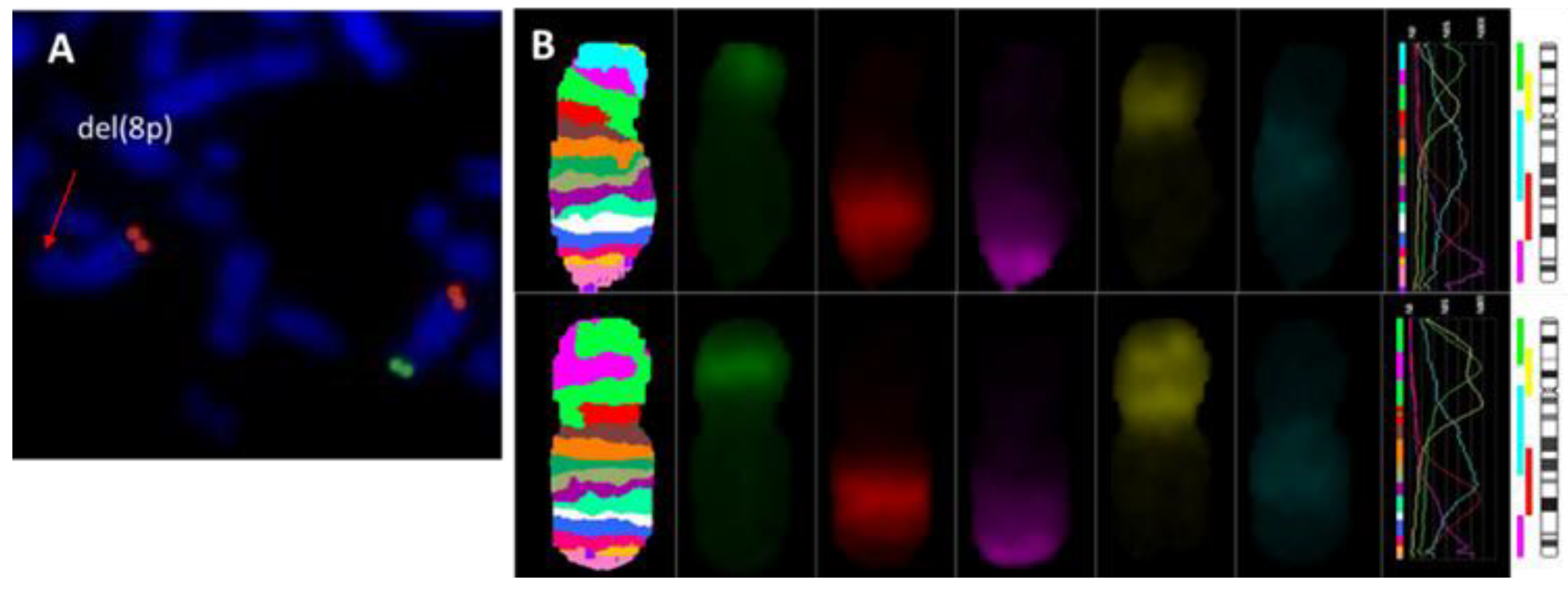
The invdupdel (8p) consists of a deletion distal to the 8p23 region followed by an intermediate intact segment, and a proximal inverted duplication of various extensions. These rearrangements are mediated mainly by two olfactory receptor gene clusters or defensin repeat (ORDRs) at the breakpoints; the polymorphic 8p23 inversion between these.
Cloning, Sequencing, and Analysis of Inv8 Chromosome Breakpoints Associated with 8

1. Introduction. The rearrangement of short arm of the chromosome 8 [Invdupdel, (8p)] is a well-described and uncommon chromosomal rearrangement, already known as the inverted duplication/deletion 8p syndrome, with an incidence rate of around 1 in 10,000-30,000 liveborn infants [1], and most of the cases are diagnosed in childhood period due to neurodevelopmental delay [2].
(PDF) Clinical Manifestations of Various Molecular Variants of Eight Cases of “8p

have an arrangement known as inverted duplication and deletion of 8p, in which part of the short arm is duplicated in reverse and the end of the short arm is deleted. Unique publishes a separate leaflet on this chromosome disorder, known as inv dup del 8p. Many more people, described in the medical literature and 62 members of Unique, have a
Les duplications 8p Unique The Rare Chromosome Disorder
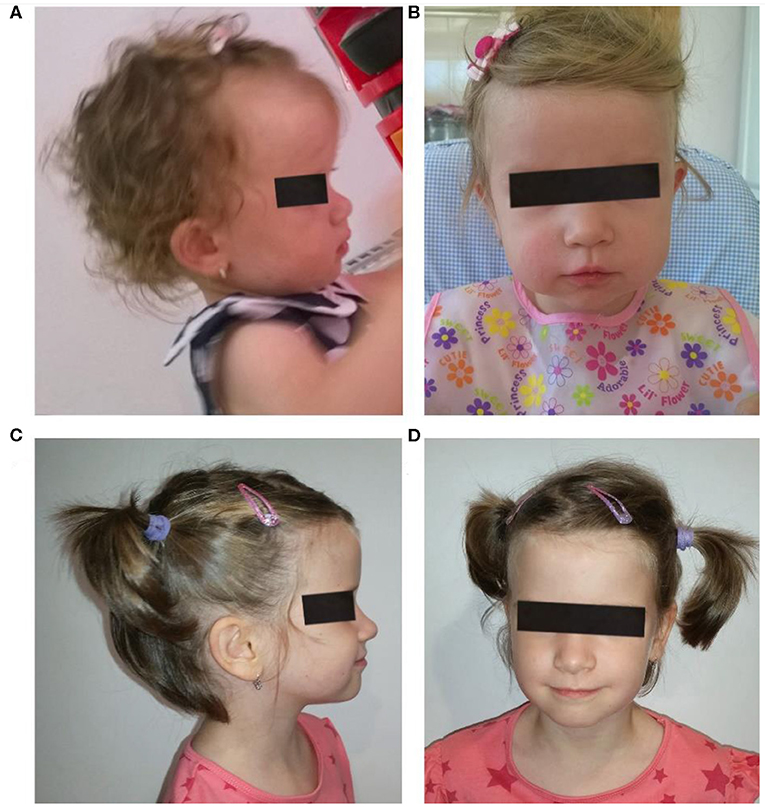
Inverted duplication deletion 8p [invdupdel(8p)] is a complex and rare chromosomal rearrangement that combines a distal deletion and an inverted interstitial duplication of the short arm of chromosome 8. Carrier patients usually have developmental delay and intellectual disability (ID), associated with various cerebral and extra-cerebral.
Duplications, Deletions and Inversions MBG 2040

Nevertheless, 8p inverted duplication deletion syndrome is a distinct condition from 8p Trisomy Syndrome, which has a well-defined clinical presentation . The common symptoms of 8p duplication syndrome are; craniofacial dysmorphism with high forehead, frontal or parietal bossing, mild ptosis, hypertelorism, downslanting palpebral fissures.
Girl with 8p Inversion Duplication Deletion Syndrome working on anterior weight shifts YouTube

1. Introduction. Inverted duplication with an adjacent terminal deletion of the short arm of chromosome 8—inv dup del(8p), ORPHA 96092—is a rare complex constitutional structural chromosomal rearrangement with an estimated frequency of 1/10,000-1/30,000 of newborns [1,2].The first clinical case was described in 1976 by Weleber et al.
(PDF) Prenatal diagnosis of inverted duplication deletion 8p syndrome mimicking trisomy 18

The 8p inverted duplication/deletion is a rare chromosomal rearrangement clinically featuring neurodevelopmental delay, mild to severe cognitive impairment, heart congenital defects and brain abnormalities. Patients affected also present typical facial dysmorphisms and skeletal malformations, and it is thought that the composite clinical.
22q11.2 Deletion Syndrome Syndrome, syndrome, Childrens hospital

Inverted duplication syndrome with an adjacent terminal deletion of the short arm of chromosome 8-inv dup del(8p)-is a rare complex structural chromosomal rearrangement with a wide range of clinical manifestations. Molecular cytogenetic variants of chromosomal imbalance depend on the mechanism of re.
(PDF) A Case Report of Respiratory Syncytial VirusInfected 8p Inverted Duplication Deletion

Inverted duplication 8p associated with deletion of the short arms of chromosome 8 (invdupdel[8p]) is a relatively uncommon complex chromosomal rearrangement, with an estimated incidence of 1 in 10,000-30,000 live borns.
Chromosomal imbalance letter Phenotypic consequences of combined deletion 8pter and duplication
Abstract. Inverted duplication and deletion of 8p, known as inv dup del 8p, is a rare genetic condition that is estimated to occur once in every 10,000-30,000 births. In people with inv dup del 8p, there is both an extra copy (duplication) of part of the genetic material that makes up one of the body's chromosomes - chromosome 8 - and a.
Defensins and the dynamic genome What we can learn from structural variation at human

8p inverted duplication/deletion [invdupdel(8p)] syndrome is a rare chromosomal anomaly characterized clinically by mild to severe intellectual deficit, severe developmental delay (psychomotor and speech development), hypotonia with tendency to develop progressive hypertonia and severe orthopedic problems over time, minor facial anomalies and agenesis of the corpus callosum.
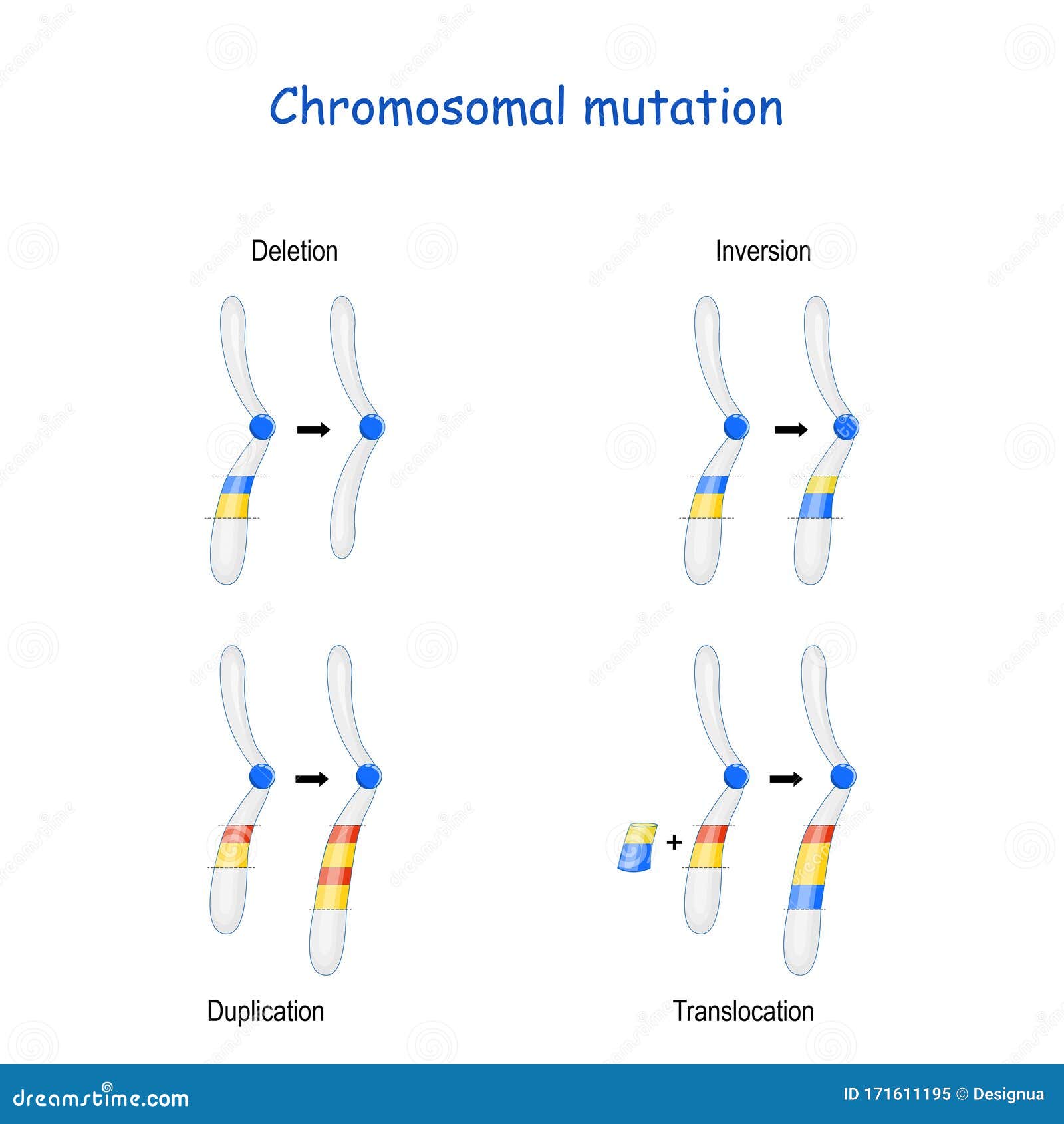
Chromosomal Mutation Inversion, Duplication, Translocation, Deletion Illustration 171611195
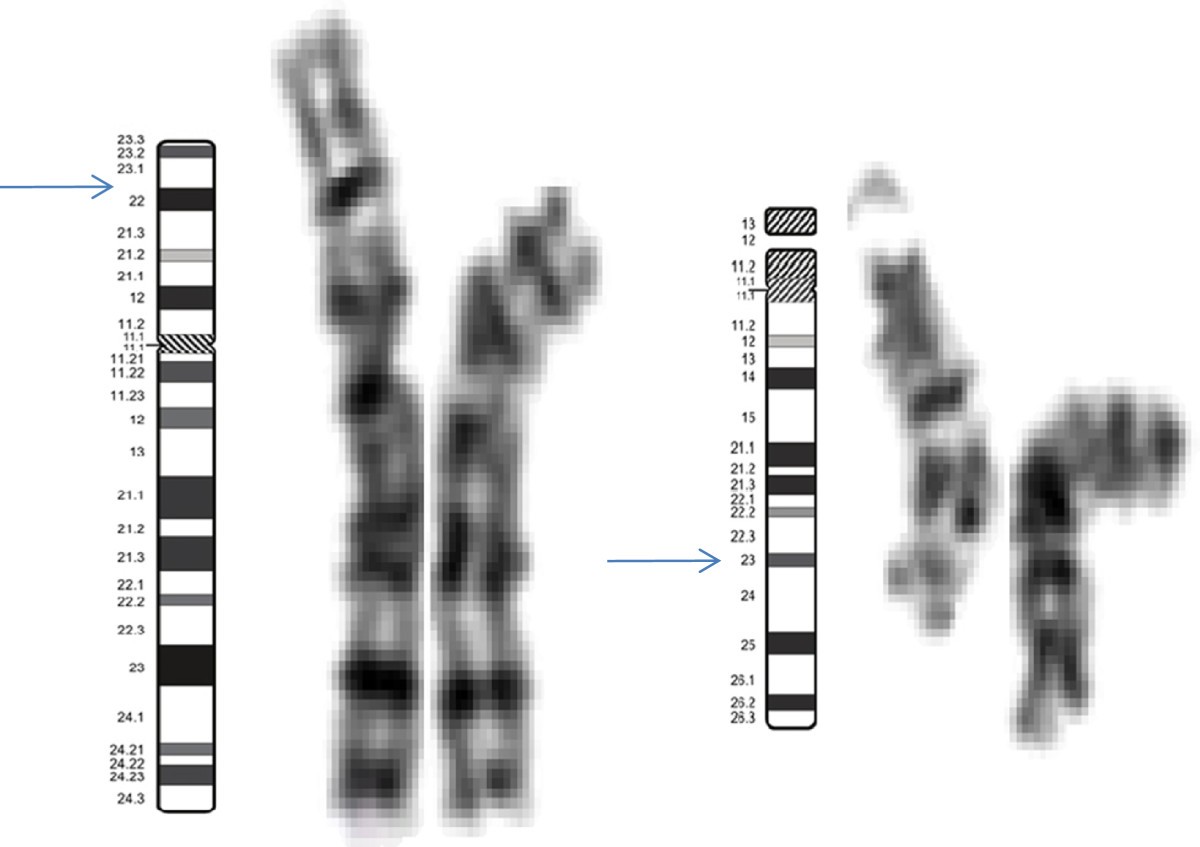
An inverted duplication with a terminal deletion of the short arm of chromosome 8 mostly occurs as either an inverted duplication from centromere to D8S552 with a pter deletion from D8S349 or as an inverted duplication from 8p11.2 or 8p21 to D8S552, with a telomeric deletion from D8349. The input of the 8p deletion to the clinical picture.
deletions and inverted duplication chromosomes. Learn Science at Scitable

Support groups for 8P Inverted Duplication/Deletion Syndrome. Providers. Healthcare providers in the area. Research. Various sources of research on 8P Inverted Duplication/Deletion Syndrome. Financial Resources. Information about disability benefits from the Social Security Administration.
The children destined to die, turn blind or fight a lifetime of ailments Daily Mail Online

The 8p inverted duplication/deletion is a rare chromosomal rearrangement clinically featuring neurodevelopmental delay, mild to severe cognitive impairment, heart congenital defects and brain abnormalities. Patients affected also present typical facial dysmorphisms and skeletal malformations, and it is thought that the composite clinical picture may fall into the chromosomal rearrangement.
PPT Human Karyotypes and Chromosomes Behavior PowerPoint Presentation ID3394845
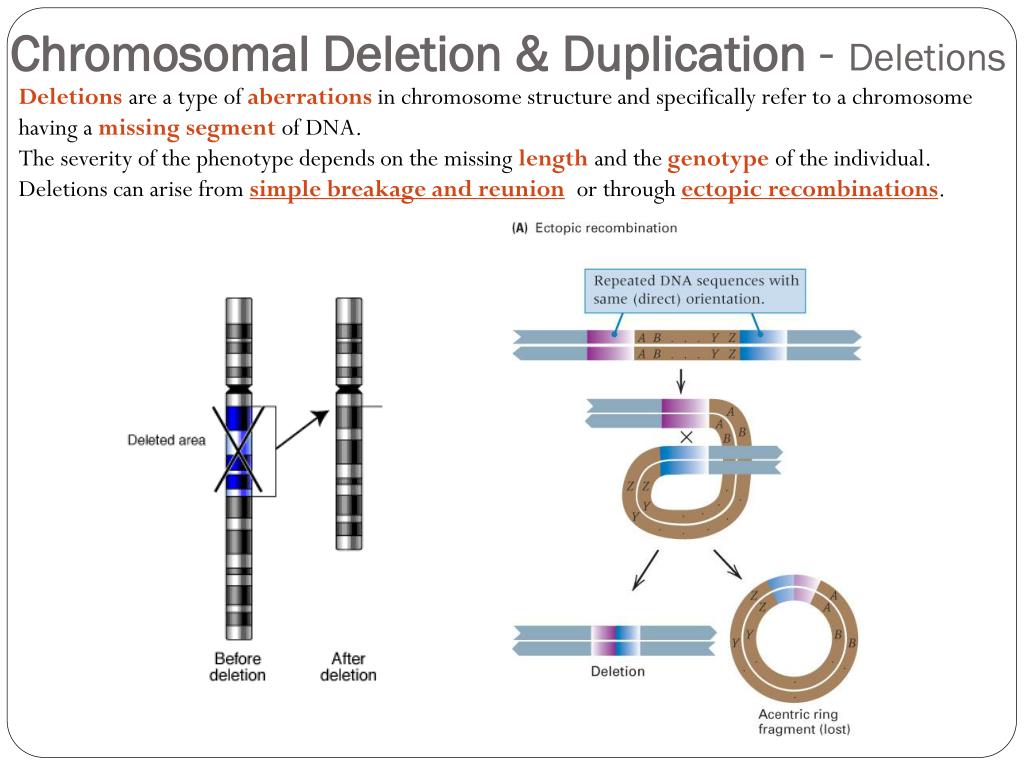
Summary. Chromosome 8p deletion is a chromosome abnormality that affects many different parts of the body. People with this condition are missing genetic material located on the short arm (p) of chromosome 8 in each cell. The severity of the condition and the associated signs and symptoms vary based on the size and location of the deletion and.
8p inverted duplication/deletion syndrome Syndrome, Rare disease, Chromosome

Fisch GS, Davis R, Youngblom J, Gregg J. Genotype-phenotype association studies of chromosome 8p inverted duplication deletion syndrome. Behav Genet. 2011;41:373-80. Article Google Scholar
.