Rose Teehibride Erotika 4 Album Rosen Galerie Roses gall… Flickr

Romance is een rosé die je in Nederland kunt kopen bij Gall & Gall. Dit is een rosé in het populaire segment en loopt dan ook als een tierelier bij Gall & Gall. Vooral tijdens de Wilde Wijndagen is deze rosé niet aan te slepen.
Closeup of a Bedeguar Gall on a Wild Rose, Caused by a Gall Wasp Diplolepis Rosae Stock Image

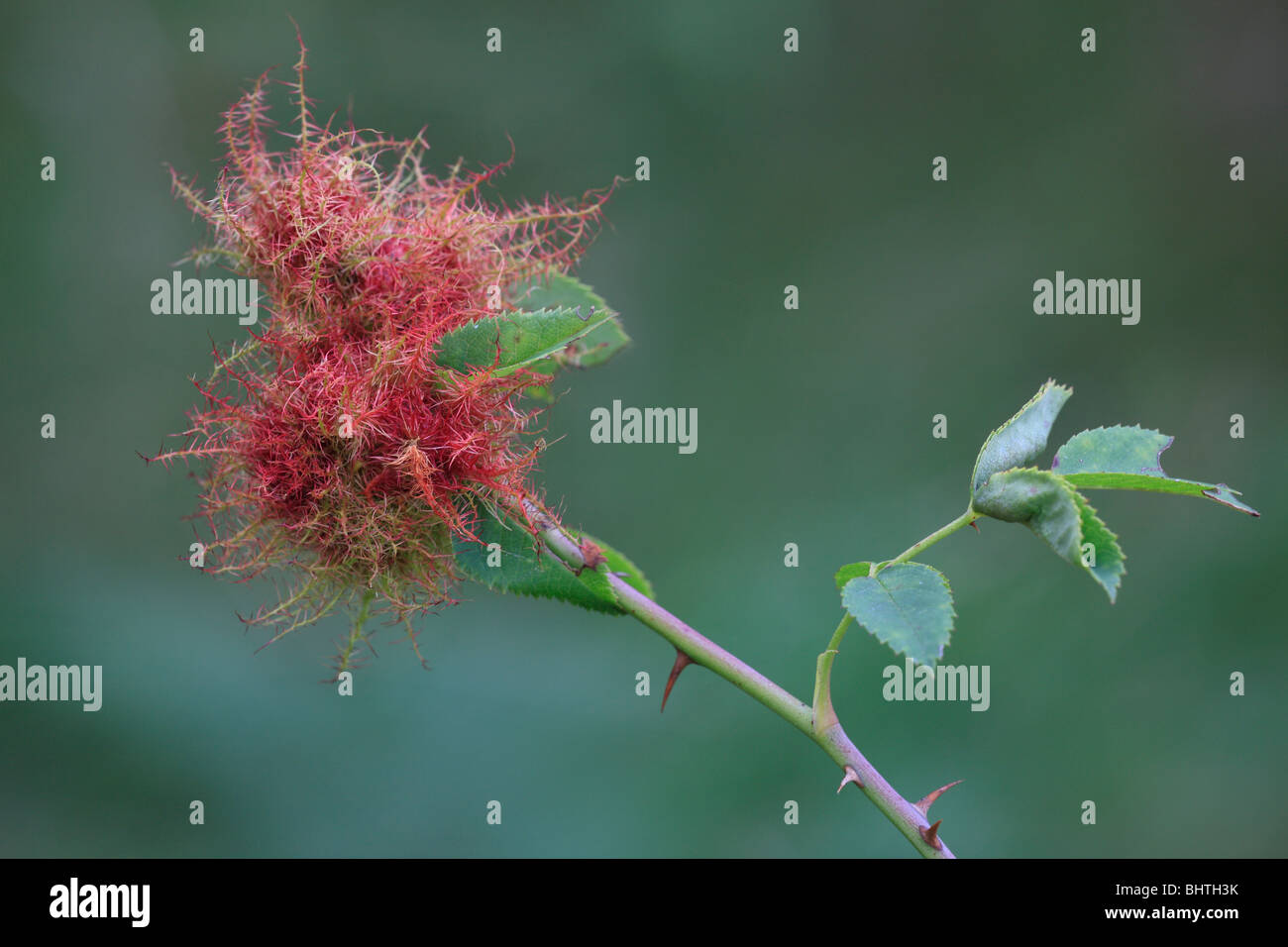
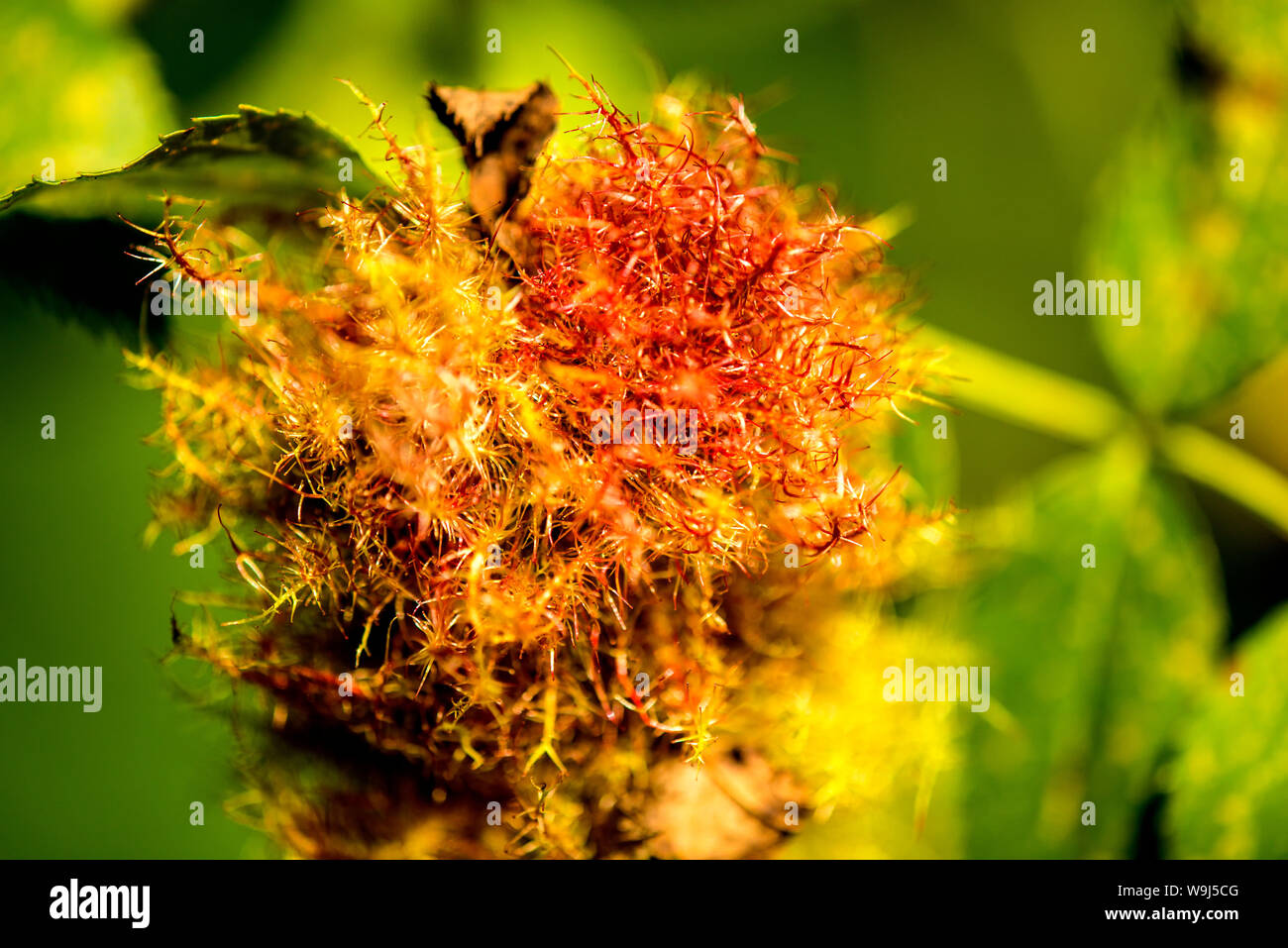
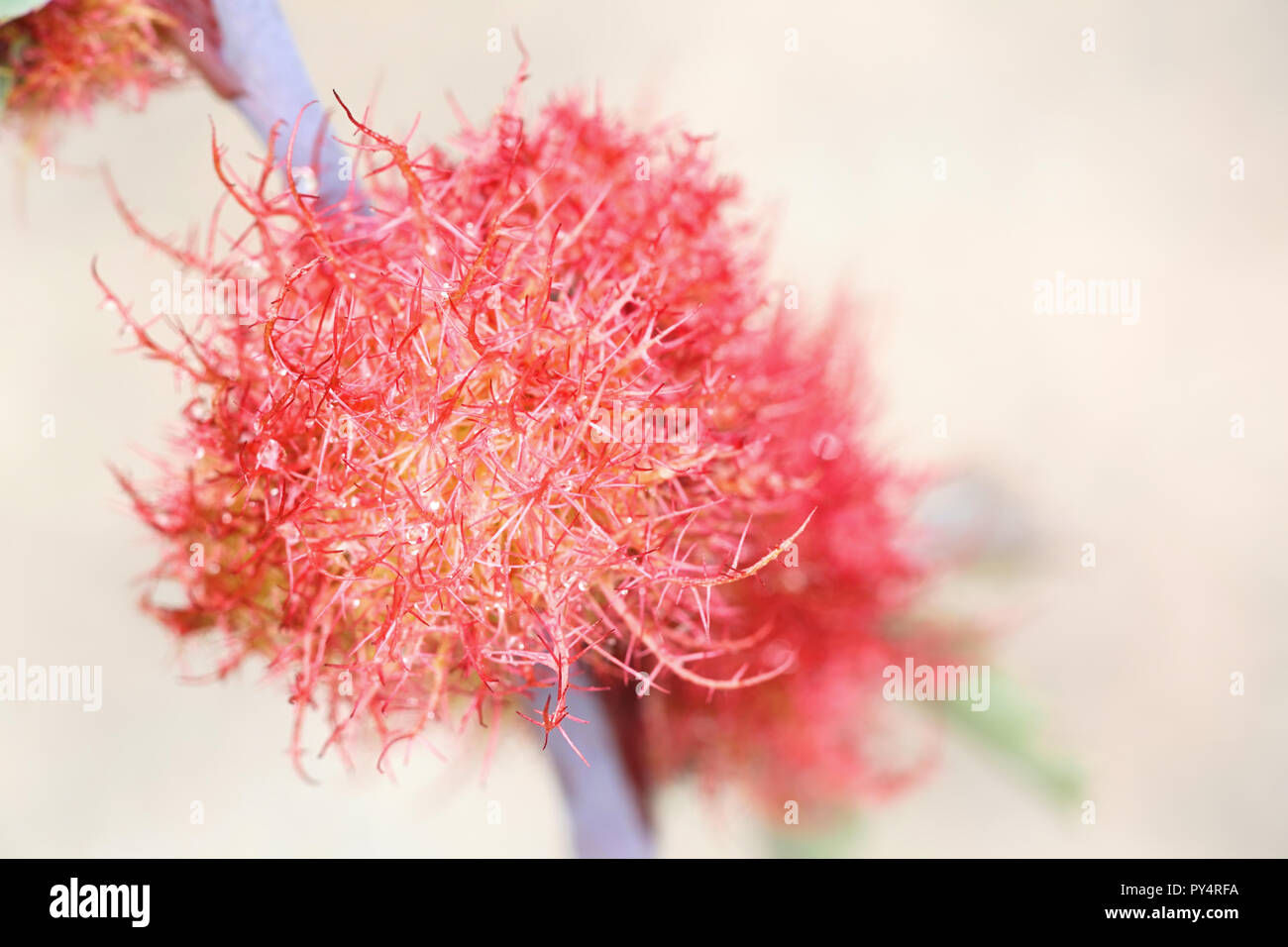
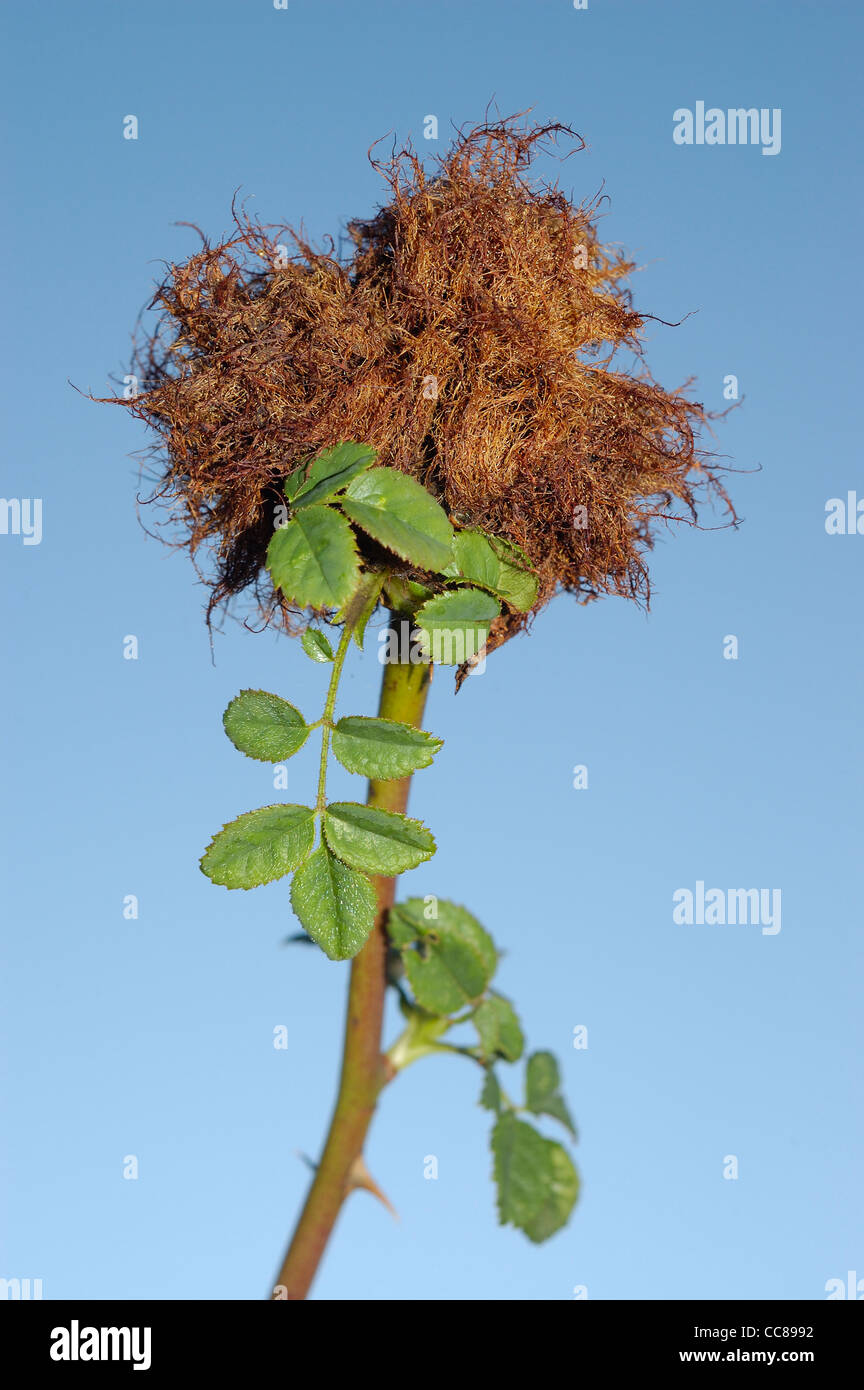
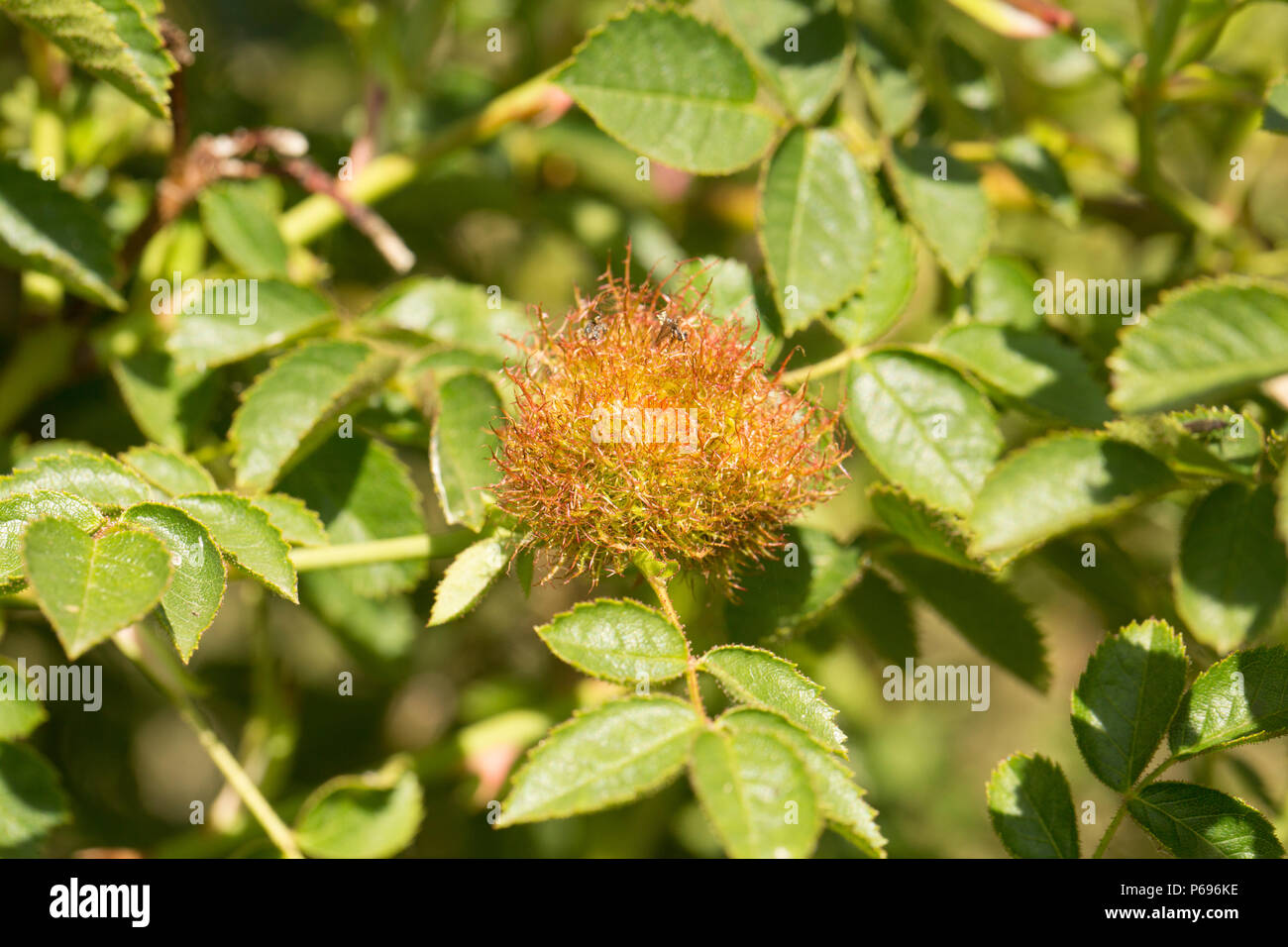
Common Name: Dioplolepsis rosae. Appearance: The rose bedeguar gall, also known as Robin's pincushion, mossy rose gall, or simply moss gall is caused by Diplolepis rosae, a gall wasp. A spherical, red, fibrous growth on the stems of Dog-roses is the mossy rose gall wasp (Robin's pincushion). The galls are more common than the mature gall.
DateiTriomphe de Flore, Prévost um 1830, Gall.5SGH1w.jpg RoseBiblio
We report 323 names, including 170 valid species of rose gall wasps, herb gall wasps, and inquiline gall wasps, classified in 12 genera, from the United States, Canada, and Mexico. Current taxonomic status, distribution, host associations, and vernacular names are listed for each species. The catalogue also includes the original description of.
Summer Romance™ Parfuma® Palatine Fruit & Roses
They sang songs of romance, heartbreak, hope and love. They lived lives of drama and passion. This impossible concert, featuring internationally acclaimed vocalist Melanie Gall, relives the adventure and inspiration of their lives and music. With Amsterdam, Milord, La Vie en Rose and other French classics. "Gall has an astounding voice that.
Rose Bedeguar Gall of Gall Wasp on Rose Tree Stock Photo Image of tree, pincushion 205129316

The rose bedeguar gall, Robin's pincushion gall, or moss gall develops as a chemically induced distortion of an unopened leaf axillary or terminal buds, mostly on field rose (Rosa arvensis) or dog rose (Rosa canina) shrubs, caused by the parthenogenetic hymenopteran gall wasp (Diplolepis rosae (Linnaeus, 1758)), previous synonyms are D. bedeguaris, Rhodites rosae or Cynips rosae.
the Rose bedeguar gall, Diplolepis rosae, of the gall wasp Stock Photo Alamy
We report 323 names, including 170 valid species of rose gall wasps, herb gall wasps, and inquiline gall wasps, classified in 12 genera, from the United States, Canada, and Mexico.
Red gall in wild rose, Rosa glauca, infected with rose gall wasp, Diplolepis rosae. The gall is
Diplolepis rosae is a gall wasp which causes a gall known as the rose bedeguar gall, bedeguar gall wasp, Robin's pincushion, mossy rose gall, or simply moss gall. The gall develops as a chemically induced distortion of an unopened leaf axillary or terminal bud, mostly on field rose (Rosa arvensis) or dog rose (Rosa canina) shrubs.The female wasp lays up to 60 eggs within each leaf bud using.
rose bedeguar gall, mature gall on a dog rose in summer in Germany Stock Photo Alamy
Bestel voor 22:00 vandaag, morgen in huis. Veilig betalen. Deze Château de Berne Romance is een heerlijke grenache,syrah,merlot en smaakt lekker bij frisse salades. Bestel nu voor 11.99 EUR op Gall.nl. Voor 22:00 uur besteld is morgen in huis.
Closeup of a Bedeguar Gall on a Wild Rose, Caused by a Gall Wasp Diplolepis Rosae Stock Photo

Whether the galls are harmful to your rose bushes is debated even by experts. It depends on how many galls a plant has, but typically, they don't drastically harm the health of the plant. If you.
Gall known as the rose bedeguar gall, Robin's pincushion, or moss gall is caused by a
Other Cynipid, Midge & Fungal Galls. Photographs and descriptions of various galls on rose.
Rose bedeguar gall, Robin's pincushion gall, or Moss gall produced by the wasp Diplolepis rosae
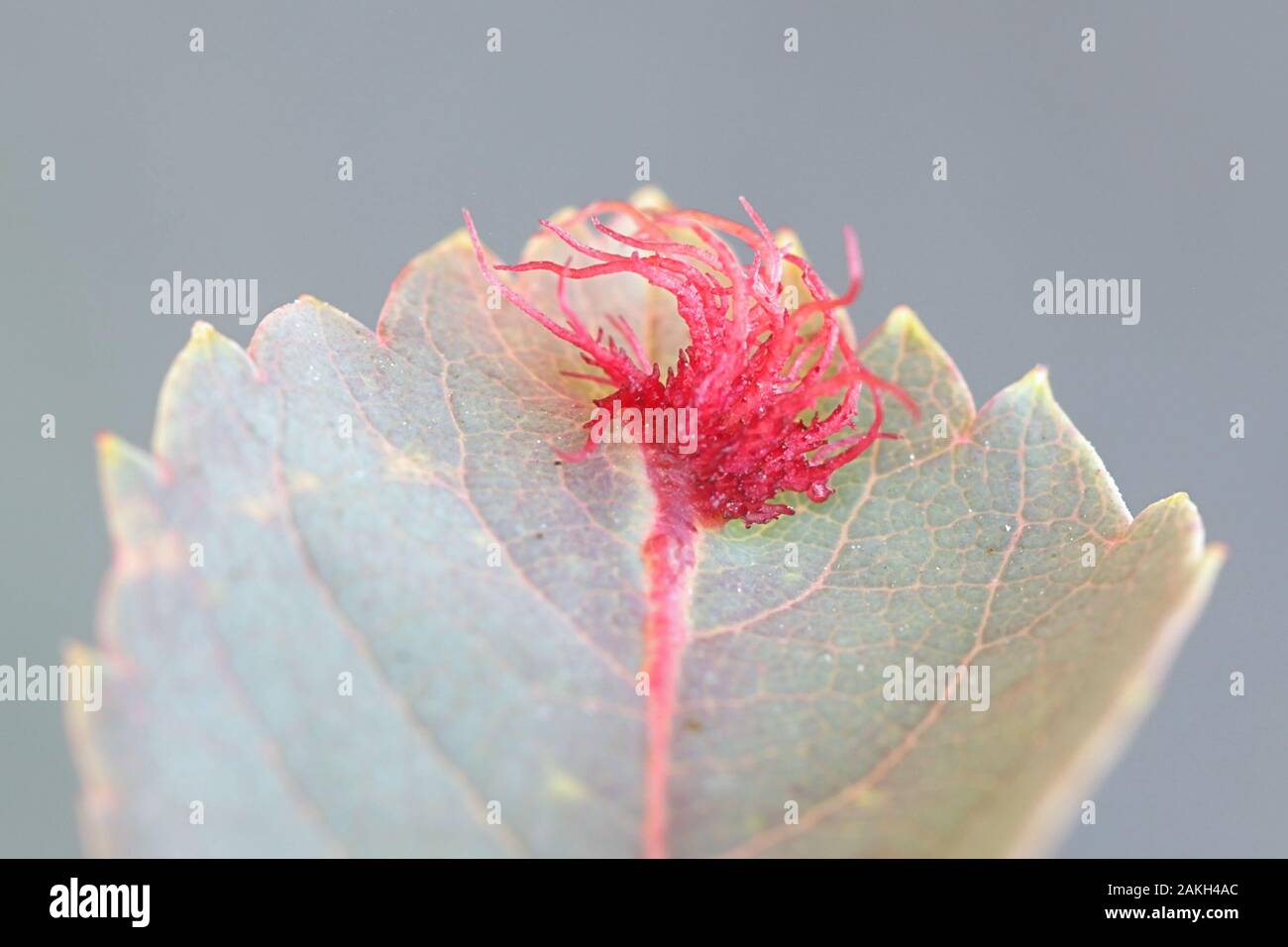
The spiny rose gall is a round or oval-shaped formation on the stem or leaves of a rose plant. It is covered with sharp, needle-like projections giving it a spiky appearance. The color of the gall can range from green to red, depending on its stage of development. Some of the main features of spiny rose gall include:
North Fife Wild Rose Gall

All Diplolepis species lay eggs and induce galls only on rose species, and are thus dependent on roses to complete their life cycle. [2] [5] There is only one generation per year. [2] Adult emergence from galls coincides with the availability of suitable host plant tissue required for oviposition and gall formation; this can be in spring or.
A Robin’s pincushion gall, Diplolepsis rosae, growing on a wild rose. The gall, sometimes called
Haal de zomer in huis door een lekkere fles rosé wijn te bestellen. Koop je favoriete fles rosé online op Gall.nl. 4. Normaal 6.65 4.5 Pierre de Prunet Rosé. 17. Normaal 21.79 4.5 Arrogant Frog Rosé Bag in Box. Premium 5. 17. Normaal 21.99 Mucho Mas Rosado Bag in Box.
A gall known as the rose bedeguar, Robin's pincushion, mossy rose or moss gall from the Gall

The spiny rose gall is caused by tiny cynipid wasps. They produce small hard internal caverns armed with stout, sharp spines on the exterior. The galls usually occur on the surface of leaves, but they sometimes occur on stems. These rose galls do not appear to harm the plant. Spiny rose gall develops exclusively on wild roses.
Rose Bedeguar Gall, Caused by the Gall Wasp Diplolepis Rosae, on a Leaves of a Field Rose

En wat dacht je van een rosé prosecco? Of je nu nieuw bent in de rosé-wereld of op zoek naar een nieuwe favoriet: wij hebben een mooie selectie van nieuwe rosé's voor je gemaakt. Bekijk hier alle rosés. 1. Domaine de L'Amaurigue Rosé. Rosé de Provence met een Nederlands tintje.
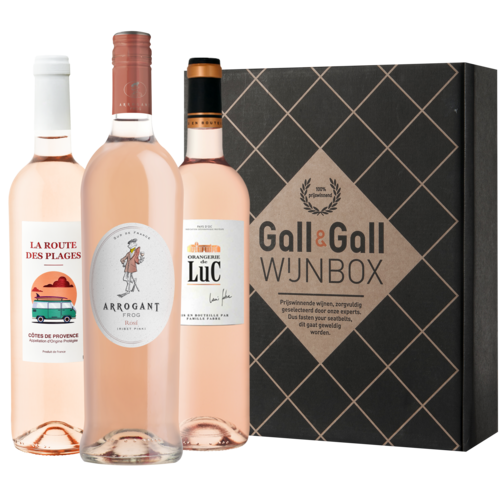
Gall & Gall Wijnbox Rosé 3x75CL kopen? Gall & Gall
The Rose Bedeguar Gall, Diplolepis rosae. This is a gall formed on wild roses by the gall wasp Diplolepis rosae. It is most common on Dog and Field Roses. The name Bedeguar comes from a Persian word "bad-awar," meaning "wind brought.". It is not brought by the wind a female gall wasp lays about 60 eggs into a leaf bud and the gall.
.